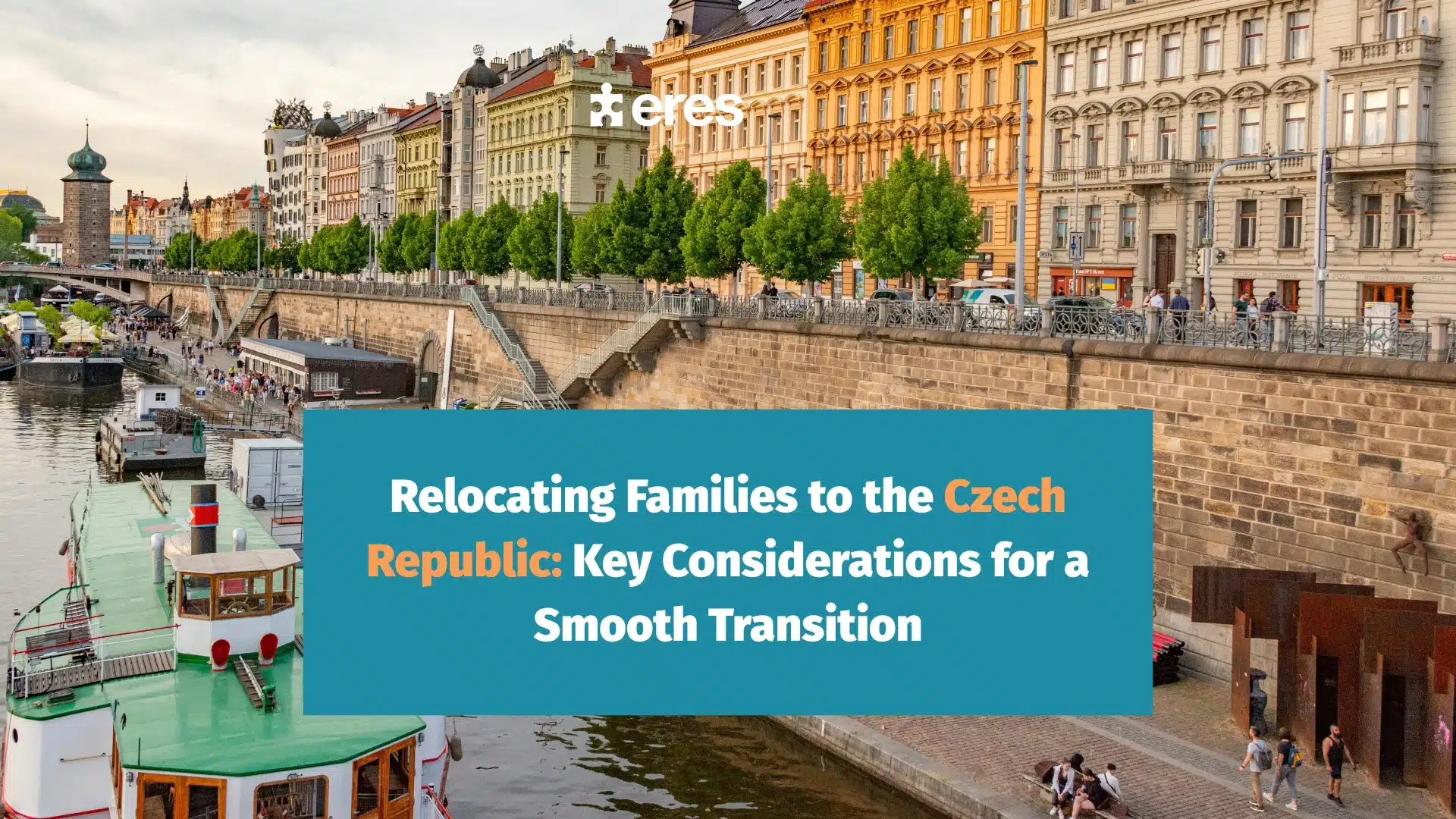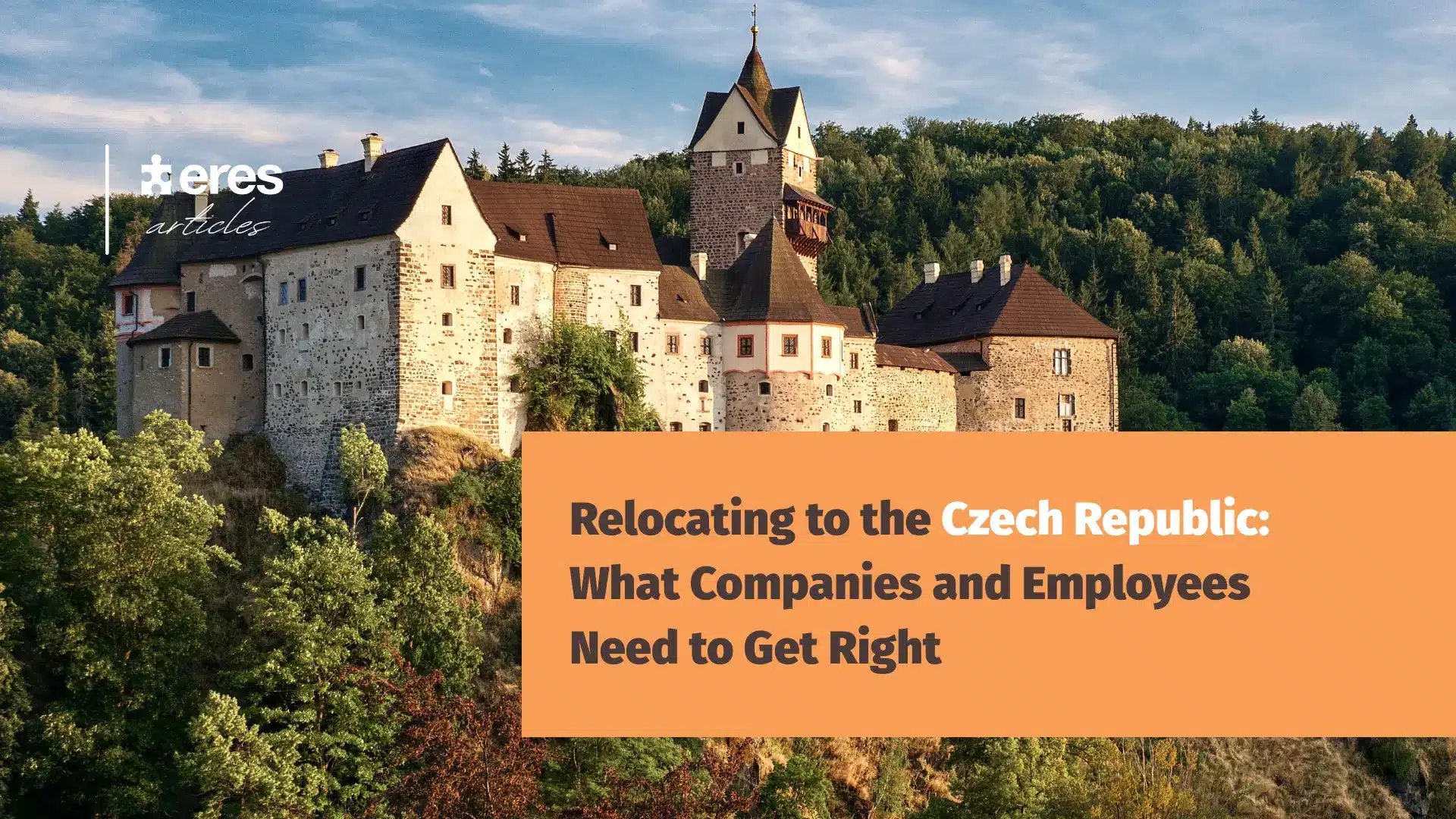
Relocating to the Czech Republic is becoming an increasingly popular choice for international companies and global talent. With its central European location, strong economy, and high quality of life, the country offers excellent opportunities. However, a successful move depends on understanding key legal, administrative, and cultural factors.
Why Relocate to the Czech Republic?
The Czech Republic, especially Prague, Brno, and Ostrava, has emerged as a business and innovation hub in Central Europe. The Moravian-Silesian region (Ostrava) is home to many car parts manufacturers. Companies benefit from a skilled workforce, competitive operational costs, and access to the European Union market.
For employees, the country offers a high standard of living, safety, and a vibrant cultural scene, making it an attractive relocation destination.
Key Considerations for Companies Relocating Employees
- Work Permits and Visa Requirements in the Czech Republic
Non-EU nationals typically require an Employee Card, Blue Card or Intra-corporate Transfer Card (when moving within the company from an office outside of Europe). Employers play a crucial role in sponsoring and supporting this process. Ensuring full compliance with Czech immigration laws is essential for a smooth relocation.
- Czech Labor Law and Employment Contracts
Employment contracts must meet local legal standards, including clear terms on salary (which depends on the type of permit), working hours, and benefits. Companies must also comply with minimum wage regulations, tax obligations, and social security contributions.
- Payroll, Taxes, and Social Security
Setting up payroll in the Czech Republic requires proper registration with local authorities. Employers are responsible for managing income tax, health insurance, and social security contributions.
- Employee Relocation and Housing Support
Providing relocation services (such as temporary accommodation, home search assistance, and settling-in support) can significantly improve employee satisfaction and retention.
- Registration and Legal Requirements
Foreign nationals must complete local registration requirements upon arrival, including notifying the relevant authorities, depending on their visa type.
Common Relocation Challenges
- Delays in visa and work permit processing
- Incomplete or incorrect documentation
- Lack of understanding of Czech labor and tax regulations
- Limited relocation support for employees
What Employees Need to Know Before Moving
- Cost of Living in the Czech Republic
The cost of living has risen in recent years and is gradually approaching the levels seen in Western Europe. Even so, everyday expenses such as groceries and dining out remain more affordable compared to many Western European countries. Salary levels, however, can differ significantly depending on the role and industry.
Employees are encouraged to carefully evaluate their net income after taxes in order to gain a realistic understanding of their financial situation before accepting the new position. It is equally important to consider the actual cost of living rather than relying on the assumption that being located in Eastern Europe automatically means lower expenses.
In our experience, some individuals relocating to the Czech Republic have chosen to leave after only a few months, having realized that their financial expectations did not align with reality. In certain cases, they found it difficult to build savings or maintain a comfortable financial buffer.
- Healthcare and Health Insurance
Health insurance is mandatory in the Czech Republic. Employees must be registered with a public healthcare provider or obtain private insurance, depending on their residency status.
Upon arrival, it is recommended to register with a general practitioner (GP). Availability can be limited, as not all doctors are able to accept new patients covered by public insurance.
There are also few private clinics that offer a higher level of service, shorter waiting times, and staff who speak English and other languages.
In most cases, a referral from a GP is required to visit a specialist.
Overall, the healthcare system in the Czech Republic is of good quality and places a strong emphasis on preventive care.
- Cultural Adaptation and Language
While English is widely used in business environments, learning basic Czech can significantly improve everyday life and support smoother integration. Some companies offer Czech language courses as part of their employee benefits.
Learning options are flexible and varied, including in-person and online formats, as well as private lessons or group classes. Schedules range from once a week (morning or evening) to more intensive weekend courses or language camps.
Even a basic knowledge of Czech is highly recommended, as it can be essential for daily interactions in shops, public offices, and other services, where English is not always commonly spoken.
The Prague Integration Centre offers free Czech language courses to support newcomers in adapting to life in the country.
How Professional Relocation Services Can Help
Working with a relocation expert can simplify the entire process. From immigration support and legal compliance to housing and settling-in services, professional assistance ensures a smooth transition for both companies and employees.
Start Your Relocation to the Czech Republic Today
Planning an employee relocation to the Czech Republic? Make sure every step is handled efficiently and compliantly.
👉 Contact our relocation experts today to support your international workforce with tailored solutions in immigration, housing, and settling-in services.