For HR teams relocating employees to Italy, 2026 presents a paradox. Italy is one of Europe’s most sought-after assignment destinations, consistently topping employee acceptance rates. It is also one of the continent’s most administratively complex countries to navigate. This guide covers everything HR professionals need to know about sustainability, immigration compliance, and responsible relocation practices when moving talent to Italy — so the experience matches the promise.
This article is part of our new Responsible Relocation in Europe series. Eres Relocation holds the EcoVadis Silver Medal 2026 — Top 15% globally in our sector.
Italy Is a Wonderful Destination. It Is Also One of the Most Complex.
Ask any HR manager who has handled a relocation to Italy and you will hear two things. First: the employee loved it. Second: the paperwork nearly broke us. Both are true, and both matter.
Quality of life, culture, food, climate — the pull factors are real and they genuinely help with talent acceptance rates. But Italy is also a country where administrative complexity is a professional discipline in itself. Work permits, residence registrations, tax codes, municipal declarations: each step requires the right document, submitted to the right office, at the right time, in the right language. Miss one, and the whole sequence stalls.
For HR teams managing international relocations to Italy, the challenge is not convincing employees to go. It is ensuring the process runs smoothly enough that the experience matches the promise.
HR Teams Relocating to Italy: What the New Immigration Framework Really Means
Italy’s immigration system has historically been one of the most opaque in Western Europe. The annual Decreto Flussi quota system was notoriously unpredictable — quotas would open without warning and close within hours, leaving employers and candidates stranded. The government’s 2026–2028 reform, which plans 500,000 work visas over three years with advance multi-year planning, is a genuine improvement that gives HR teams the predictability needed to plan international hiring seriously.
But the reform does not eliminate the complexity underneath. Understanding Italy’s immigration and compliance requirements — which permit type applies, what documentation is required, and how long each stage realistically takes — remains essential to avoid costly mistakes. The practical lesson: the improved framework creates a better window for planning, but execution still depends on having experienced people on the ground who know the local offices, the processing timelines, and what to do when something goes wrong.
What Sustainable Relocation Actually Looks Like in Italy
Sustainability in global mobility is too often reduced to offsetting a flight. In Italy, responsible relocation means thinking more broadly and more practically.
- Housing quality and location: placing an employee in a poorly insulated flat far from public transport creates daily carbon cost and daily frustration. Working with a provider who vets housing on energy efficiency and proximity to rail connections makes a difference that compounds over a 12-month assignment.
- Settling-in support that reduces waste: a well-supported employee does not spend six weeks buying and discarding items they could not find because no one helped them navigate the local market. Good settling-in support is also low-waste support.
- Choosing local providers with shared values: the subcontractors handling the move, the temporary housing, the language training — their practices are part of your ESG footprint too. This is exactly what EcoVadis measures under Sustainable Procurement, and where Eres Relocation has invested significantly since 2025.
- Low-carbon travel during the assignment: Italy’s rail network is excellent between major cities. An assignment structured around train travel rather than domestic flights is a meaningful emissions reduction, not a token gesture.
Why Your Relocation Provider’s ESG Credentials Matter More Than You Think
Large organisations increasingly apply their supplier sustainability standards to their mobility providers. If your company reports on Scope 3 emissions, runs ESG due diligence on vendors, or lists key partners in your sustainability report — your relocation provider is part of that picture.
In February 2026, Eres Relocation was awarded the EcoVadis Silver Medal, scoring 72 out of 100 and ranking in the top 15% of companies globally in our sector. Our scores reflect concrete operational commitments: a Travel and Mobility Plan that routes 50% of intra-European business trips under 800km by train, full carbon offsetting for our company events, a Tree Nation partnership that planted 2,000 trees in Tanzania in 2025, and a Supplier Code of Conduct now deployed across our provider network. In 2025, we also received the ESG Excellence Award from Relocate Global and the Sustainable Partner of the Year award from BristolNet.
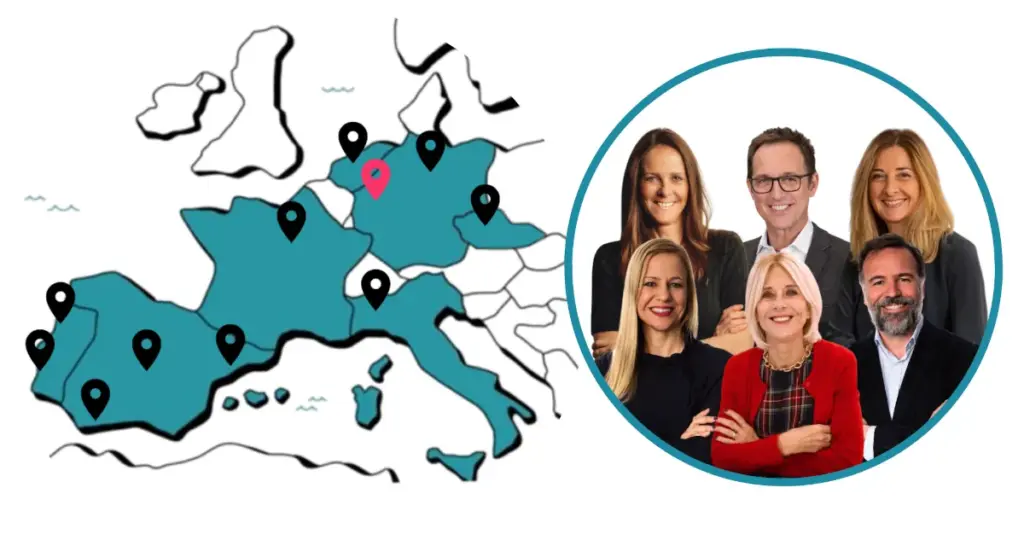
These are not credentials we display on a shelf. They reflect how we operate across all 10 of our European offices, including our team in Milan. When you choose Eres Relocation for your Italian assignments, you choose a partner whose sustainability standards your own procurement team can verify.
Getting Italian Relocations Right: What the Best HR Teams Do Differently
After years of managing assignments to Italy across all major cities and industries, a few patterns stand out in the relocations that go well versus those that do not.
- They plan the immigration timeline first, not last. The permit process determines everything else. Starting a housing search before the permit application is confirmed is a common and costly mistake.
- They brief the employee honestly. Italy is wonderful and administratively demanding. Employees who arrive knowing this are more resilient when the bureaucracy tests them.
- They invest in the first two weeks. The intensity of support needed immediately after arrival — help with registration, bank account, utility connections, neighbourhood orientation — determines whether the employee settles in three weeks or three months.
- They think about the family from day one. Italy is a country where the partner’s experience often determines whether the assignment succeeds. School placement, community integration, and practical daily support are not afterthoughts.
Our team in Milan, backed by our network of vetted local providers and our group-wide sustainability standards, is built to deliver exactly this. Explore our full range of relocation and immigration services for Italy or contact us to discuss your upcoming assignments.
Stay ahead of European mobility trends. Subscribe to the Eres Relocation newsletter and receive our Responsible Relocation in Europe series directly in your inbox!