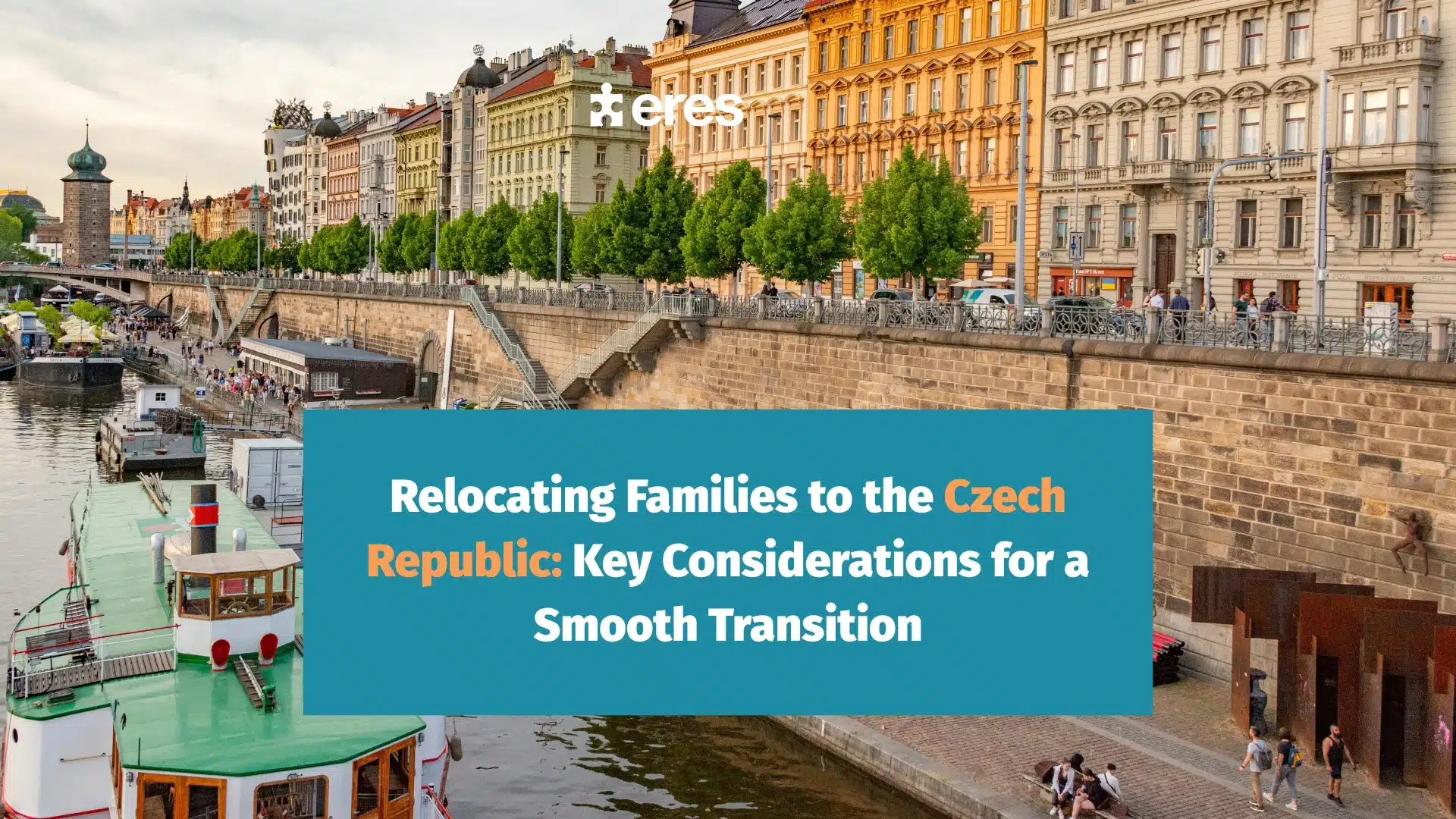
For companies relocating employees or hiring foreign talent in the Czech Republic, HR and global mobility teams must navigate a complex regulatory environment. From securing the right type of work permit to managing intra-company transfers, staying compliant is critical for avoiding penalties and ensuring a smooth transition for assignees. This guide covers the key work permit types, transfer modalities, employer responsibilities and practical tips for HR professionals.
- Main Work Permits & Visas for Non-EU/EEA Nationals
When hiring or transferring non-EU/EEA nationals, employers should be aware of several key permit types:
- Employee Card: A combined residence + work permit for long-term employment (> 90 days) for locally hired employees.
- Blue Card: For highly qualified workers (university degree + higher salary threshold and position) with a local contract.
- Intra‑Company Transfer (ICT) Card: For employees transferred within a multinational group to a Czech entity (managers, specialists, trainees) from non-EU countries.
- Short-term visas/permits: For stays under 90 days, sometimes requiring a separate work permit depending on the role.
- Employee Transfers & Posting to Czechia
For mobility of in-house staff, the ICT route is especially relevant. Key considerations:
- The employee must be already employed by the group abroad and then transferred to the Czech branch.
- The permit is tied to the employer, position and location — any change requires a new application (for another permit).
- Duration limits apply (e.g., up to 3 years for managers/specialists, or 1 year for trainees).
- Ensure that payroll, social security, and tax implications of the secondment/transfer are assessed (especially if home vs host country rules differ).
- Health insurance is paid in the Czech Republic.
- Employer Obligations & HR Checklist
HR and mobility teams need to keep in mind:
- Labour market test / vacancy registration: For many work permit types, the employer must advertise the job and show no suitable Czech/EU candidate exists.
- Contract & documentation: The employment contract should align with the job as registered, include the correct salary and role.
- Equal treatment & working conditions: Foreign employees must receive working conditions no less favourable than those of local employees (and the opposite).
- Registration, social security & tax: The employer ensures the employee is registered appropriately (where the rules are same as for Czech employees – social security and health insurance registered in 8 days, labour office before the start of work); contributions made and immigration obligations fulfilled.
- Reporting changes: Any changes in employment status (role, employer, position, personal details) must be reported. Non-compliance may lead to fines, bans from hiring foreign workers, or deportation of the employee.
- Key Risks & Compliance Pitfalls
Some of the areas where companies frequently face issues:
- Delays in permit approval / missing documentation → start the process early (30-60 days processing typical)
- Failure to advertise the job or meet vacancy registration requirements when needed.
- Unreported changes in employment or using the permit for a different employer/role than approved.
- Not accounting for tax or social security obligations correctly when transferring employees.
- Ignoring local labour law when remote working or posting — especially if the employee spends more than 6 months in Czechia.
- Practical Tips for HR & Mobility Teams
- Build a checklist
- Use local immigration/legal advisors to keep up with evolving Czech rules – local nuance matters.
- Communicate clearly with the assignee: timeline, expectations, documentation, their role and employer obligations.
- Factor in onboarding & integration support (language, culture, local housing) to support retention.
- Monitor salary benchmarking and local conditions to ensure you meet local standards and equal treatment rules.
- Maintain an internal database of permit expiry dates, renewal triggers and reporting deadlines.
Conclusion
Relocating or hiring foreign talent to the Czech Republic presents many opportunities but also regulatory complexity. For HR, Global Mobility and Marketing teams (e.g., your company’s relocation services), mastering the permit types (Employee Card, Blue Card, ICT), employer obligations and transfer logistics is essential. By being proactive, structured and compliant, you can deliver a seamless experience for your assignees and safeguard the company from regulatory risk.