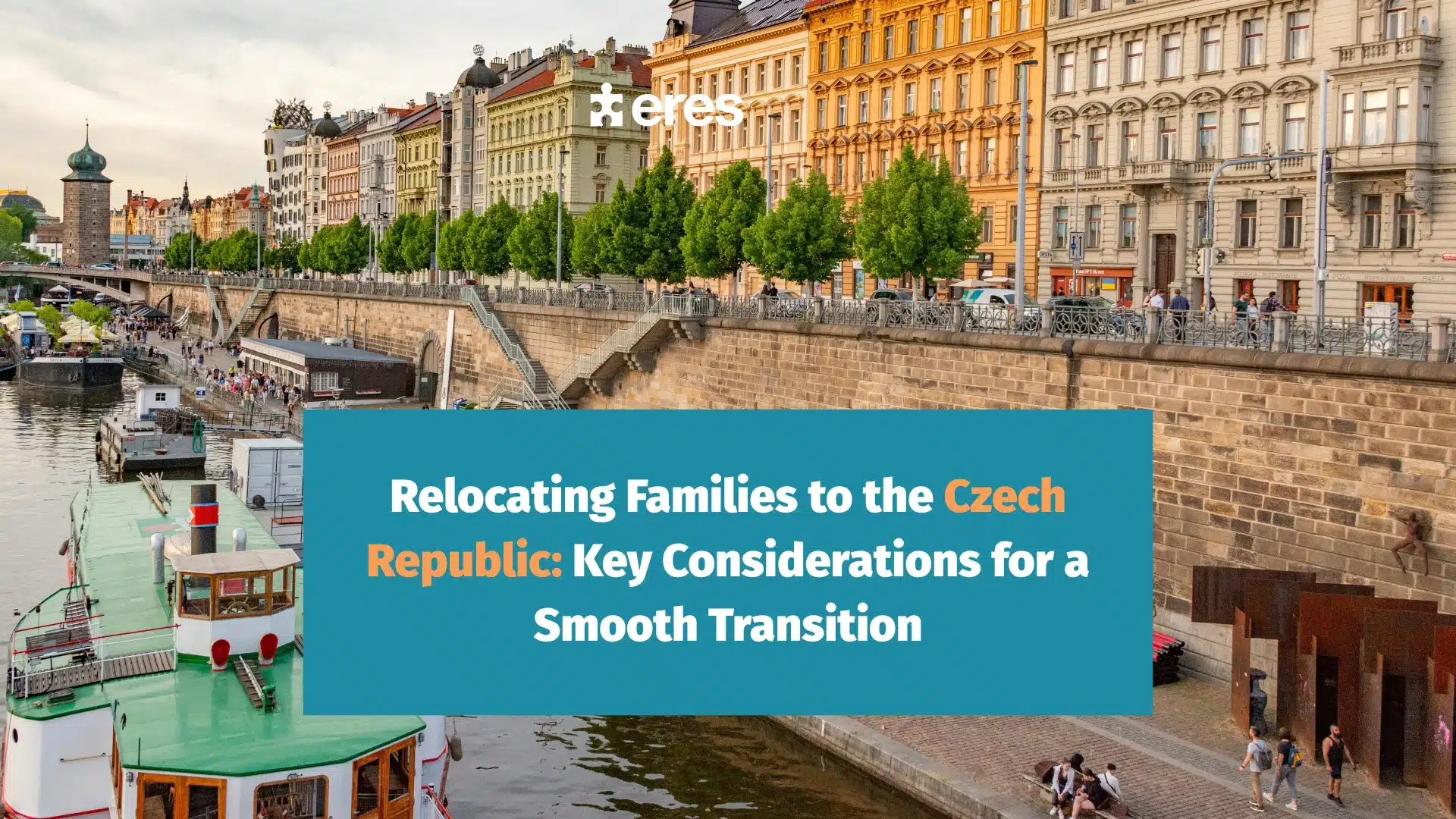
Hiring international talent can be a game-changer for your company. But when your new employee is a non-EU national, navigating immigration requirements becomes an essential part of the onboarding process. In Czechia, the Employee Card is the key document that allows third-country nationals to live and work legally. While it combines both residence and work authorization, the process of obtaining is anything but simple.
Here’s how you, as an employer, can effectively support your new hire — and why having experienced guidance makes all the difference.
What is the Employee Card and who needs it?
The Employee Card is a long-term residence permit issued for the purpose of employment. It’s valid for up to two years and can be extended. The card is tied to a specific position and employer, meaning the permit only applies to that particular job.
It is required for any non-EU national who intends to work in Czechia for more than 90 days, unless they are eligible for a different status, such as a Blue Card or a family member residence permit. To qualify, the job offer must be listed in the Central Job Vacancy Database managed by the Labour Office and explicitly available to third-country nationals.
The application process: a closer look
The process of obtaining an Employee Card involves several coordinated steps and touches on multiple authorities. It begins with the employer officially posting the job with the Labour Office. This step usually takes 2–7 working days. Only once visible in the Database, e non-EU candidate can use the reference number and apply for an employee card.
Once this period has passed, the employee can begin preparing their application. This includes providing a valid passport, a signed employment contract or agreement, proof of accommodation in Czechia, biometric photos, and — when applicable — proof of their qualifications. In many cases, documents must be translated into Czech, officially certified, or even bear an apostille.
The application is usually submitted in person at a Czech embassy or consulate in the applicant’s home country or their country of legal residence. In certain cases, applicants already in Czechia under a different legal status may be able to apply from within the country.
Once submitted, the application goes through a review process that can take up to 90 days, although it may be extended in more complex situations. If approved, the employee receives a visa that allows them to enter Czechia for the purpose of finalizing their residence. After arriving, they must register and book a biometric appointment with the Ministry of the Interior. The Employee Card is then issued within a few weeks.
The employer’s role and common pitfalls
While the foreign employee submits the application, the employer plays a critical behind-the-scenes role. Providing incomplete or inconsistent documentation, misunderstanding the job posting procedure, or missing deadlines for responding to authority requests can cause serious delays.
This is particularly important when onboarding timelines, internal team planning, or project rollouts depend on when the employee can legally begin work. Setting realistic expectations, both internally and for the new hire, is essential — and so is anticipating possible administrative bottlenecks.
How we support you
At Eres Relocation Czech Republic, we work side-by-side with HR teams and foreign employees to ensure a smooth, legally compliant, and stress-free process. We manage all steps of the Employee Card procedure: from preparing and reviewing documentation, to coordinating with authorities and guiding the applicant every step of the way.
We also advise on related issues such as renewals, employer changes, or family reunification, to ensure long-term stability for both your employee and your organization. Because successful international onboarding isn’t just about paperwork — it’s about people.
Planning to bring non-EU talent to Czechia? Let us help you make the process efficient, compliant, and worry-free. Contact us today to learn more about our support.