A Strategic Guide for HR and Global Mobility Leaders
The Netherlands has long been a top destination for international talent, thanks to its strong economy, global business hubs, and employee-friendly work culture. As we move into 2026, corporate relocation and mobility practices in the Netherlands are evolving rapidly, driven by regulatory changes, talent shortages, cost pressures, and rising employee expectations. For HR and Global Mobility leaders, understanding these trends is essential to designing compliant, competitive, and cost-efficient relocation strategies.
The Netherlands Remains a Key Talent Hub, but Competition Is Intensifying
Amsterdam, Rotterdam, Utrecht, and Eindhoven continue to attract international profiles in tech, engineering, finance, and life sciences. However, demand for highly skilled migrants increasingly outpaces supply. Faster onboarding and well-managed immigration processes are becoming a real competitive advantage. Relocation support is no longer a nice-to-have but a decisive factor in offer acceptance. Companies must differentiate themselves through employee experience, not salary alone. This is where professional relocation and immigration support can make a tangible difference.
Immigration Compliance Is Under Closer Scrutiny
Dutch immigration frameworks, particularly the Highly Skilled Migrant (Kennismigrant) Permit, remain attractive, but compliance requirements are increasingly monitored. Authorities are placing greater emphasis on recognized sponsor obligations, salary thresholds, and the alignment between employment conditions and residence permits. Immigration should therefore not be treated as a standalone process. It must be closely coordinated with payroll, tax, and employment law to avoid delays, fines, or permit withdrawals. Many HR teams rely on specialized immigration services to secure compliance.
Housing Shortages Are Reshaping Relocation Policies
The Dutch housing market remains one of the biggest challenges for international mobility. Limited supply, rising rents, and stricter rental regulations significantly affect relocation timelines. As a result, companies are extending temporary accommodation periods, increasing housing budgets, and relying more on professional home search services to secure suitable and compliant housing. Relocation policies increasingly include housing risk mitigation, not only housing costs.
Cost Control Is a Growing Priority for HR and Finance Teams
With inflation, rising living expenses, and higher mobility volumes, organizations are under pressure to control relocation costs without reducing support quality. More companies are turning to city-specific cost-of-living assessments, flexible relocation packages based on employee profile, and a clearer distinction between mandatory compliance services and optional benefits. Mobility programs are shifting away from standardized models toward data-driven, role-based approaches.
Employee Experience Is Becoming Central to Mobility Success
International employees increasingly expect full relocation support rather than simple guidance. This includes hands-on assistance with housing, registrations, and daily life setup, as well as support for partners and children such as schooling and childcare. In the Netherlands, this often involves municipal registration (BSN), health insurance onboarding, school and daycare enrollment, and neighborhood orientation. A smooth employee experience directly impacts retention, productivity, and employer branding, making end-to-end relocation services a strategic investment.
Mobility, Tax, and Payroll Are Now Interconnected
One of the strongest trends heading into 2026 is the integration of global mobility with tax and payroll compliance. This is particularly relevant for cross-border workers, remote or hybrid international roles, and both short- and long-term assignments. Dutch tax rules, social security coordination, and employment law require close cooperation between HR, finance, and external advisors. Many organizations benefit from coordinated mobility and compliance support to reduce risk and administrative burden.
How Eres Relocation Supports Mobility Programs in the Netherlands
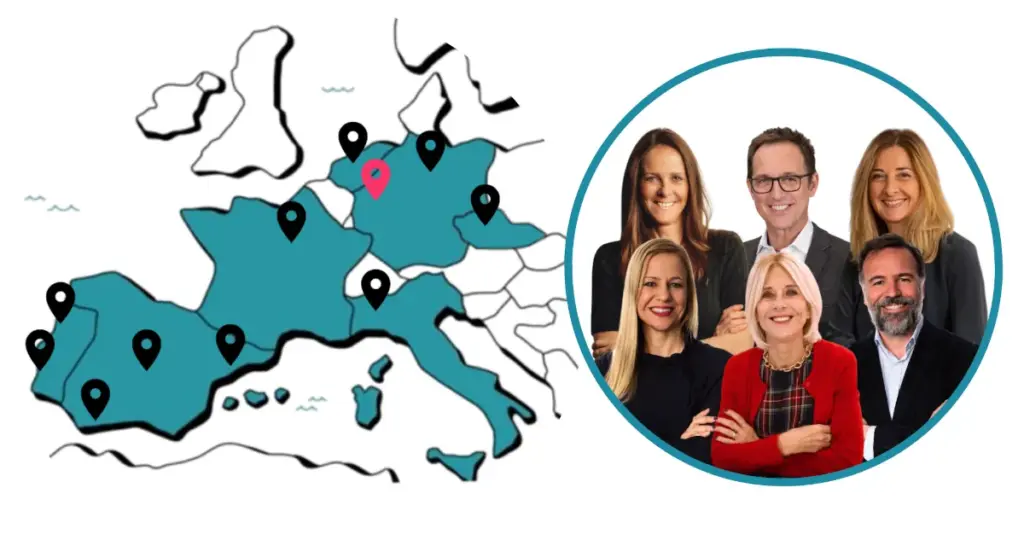
At Eres Relocation Netherlands, we support HR and Global Mobility teams with end-to-end, compliant relocation solutions. Our services include immigration and work permit support, home search and viewings, lease review and move-in coordination, utility connections and local registrations, school search and child enrollment assistance, area orientation, and ongoing compliance support for foreign employees. Our approach combines local expertise, regulatory compliance, and employee-focused support to help organizations relocate talent efficiently while keeping costs under control.
Looking Ahead
In 2026, successful corporate mobility in the Netherlands will be defined by compliance, flexibility, and employee experience. HR and Mobility leaders who anticipate these trends will be best positioned to attract and retain international talent in an increasingly competitive market. If you would like tailored insights or support for your mobility program in the Netherlands, our local experts are here to help!