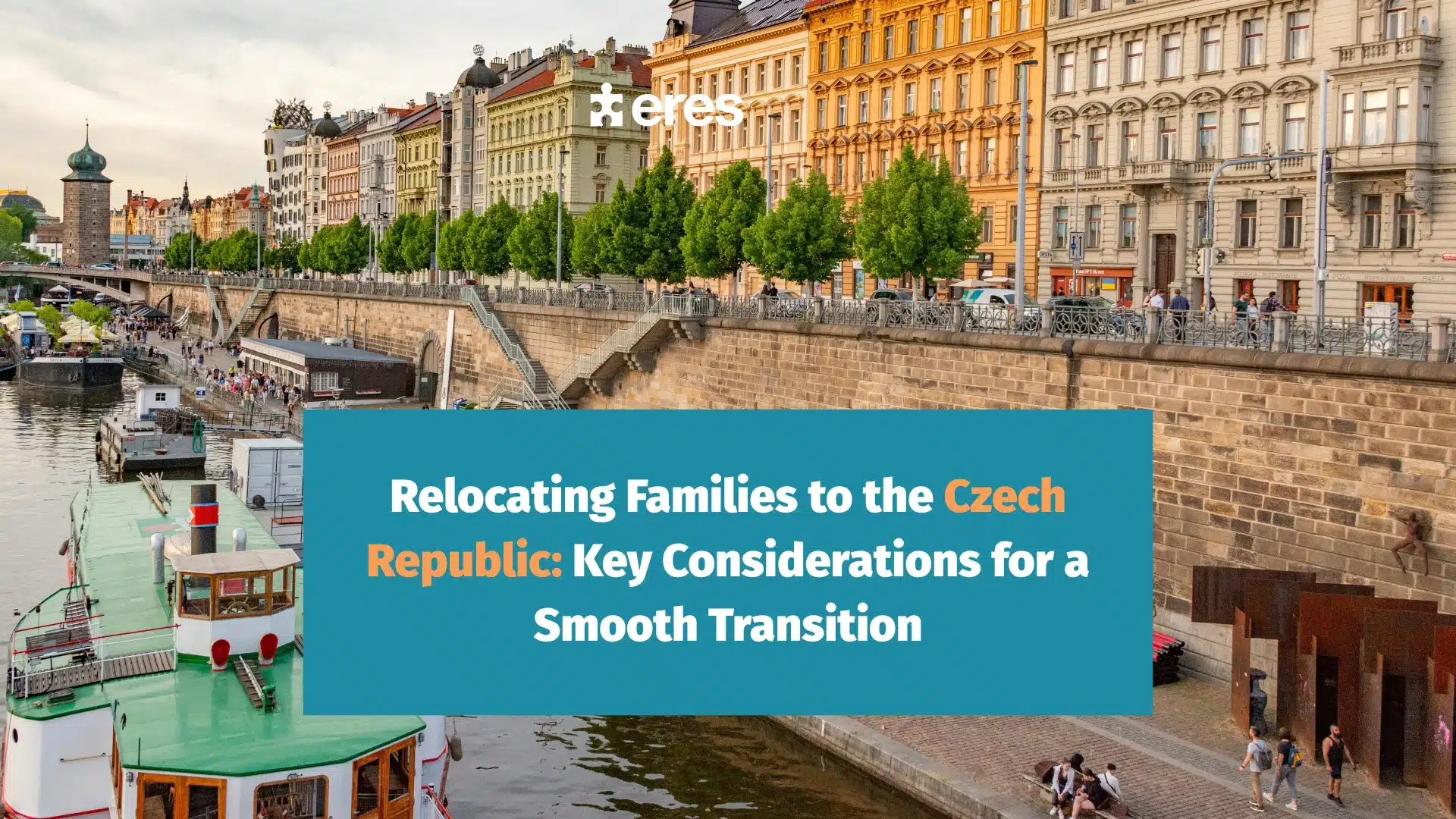
Relocating employees to Prague can be an attractive option thanks to its vibrant economy and cultural richness but employers must be aware of serious challenges in the housing market. High demand, tight supply, rapidly rising prices, and limited availability of long-term rentals make housing in Prague one of the toughest issues for new hires. Understanding these dynamics is essential to manage expectations and plan relocation packages effectively.
A Growing Housing Shortage & Supply-Demand Imbalance
- Prague’s demand for housing significantly outpaces supply: by recent estimates, the city is short tens of thousands of residences.
- Although in 2024–2025 some new apartments entered the market, construction and building-permit approvals remain far below the estimated 10,000 units needed annually.
- As a result, the vacancy rate for rentals is extremely low a situation that makes finding long-term accommodation difficult, especially in central districts.
Implication for Employers: Don’t assume housing will be readily available. Relocation timelines may need to be extended and allowances or housing support may be necessary.
Rising Prices for Buying and Renting
- Rent in Prague recently surged: some districts register among the highest rents in the country, with average rent per square meter reaching record levels.
- Purchasing an apartment is also increasingly unaffordable: according to a recent property-affordability index, residents now need roughly 15 gross annual salaries to buy a typical apartment — far higher than a decade ago.
- For many households, housing costs consume a disproportionately large share of income. Up to one-quarter of households reportedly spend more than 40% of their income on housing.
Implication for Employers: Salary packages may need to account for higher housing costs (rent or mortgage), and allowances may need to reflect local market realities — not just national averages.
Rental Market Challenges: Competition & Uncertainty
- In the rental market, demand has exploded: some apartments receive dozens or even over 100 inquiries — competition is fierce.
- Long-term rentals are being squeezed by short-term rentals and vacation lets (e.g. platforms like Airbnb), especially in central and historic Prague. This reduces the stock of available long-term housing.
- Municipal/social housing — which could relieve pressure — remains limited: the number of public flats has stagnated in recent years.
Implication for Employers: For expatriates, finding stable long-term rentals can take time and may require flexibility (e.g. considering suburbs or commuting). Employers should anticipate delays and possibly support temporary accommodation.
Why Companies Should Prepare a Thoughtful Relocation Strategy
Given the above challenges, companies relocating staff to Prague should consider:
- Providing housing allowance or stipend to offset high rent or mortgage costs.
- Assisting employees with **housing search services/**relocation services — especially to navigate competition and low availability.
- Considering temporary housing or flexible lease periods while permanent housing is secured.
- Being transparent with prospective employees about market realities, so expectations are realistic.
- Planning for longer lead times: securing property might take more time than expected in other cities.
A well-structured relocation package that includes housing support can make the difference between a smooth transition and frustration for new hires.
Conclusion
Prague’s housing market presents serious challenges — chronic supply shortage, escalating prices, fierce rental competition, and shrinkage of affordable long-term rental stock. For employers relocating staff, awareness and preparation are key. By offering support — whether financial or logistical — companies can help ensure a smooth transition, mitigate staff stress, and improve retention.